Retail Trade Shows USA: A Practical Guide to Retail Strategy, Digital Retail Consulting, and Ecommerce Personalization
Having actually spent time working in retail, there's only really one thing that you can count on, and that is that it doesn't stand still. Customer expectations evolve, there's some kind of technology update every 6 months, and the market is as fiercely competitive as it gets. If there's one of the more sensible things a retailer can do, what do you think that would be?
Show up at retail trade shows USA. That's where the people actually shaping the future of the industry vendors, consultants, brand leaders end up in the same room, at the same time. And no, these aren't just rows of booths and free pens. They're where you see, first-hand, what's actually working right now, what's coming next, and how other businesses are wrestling with the exact same problems you are.
There's also a thing you just don't get from a webinar or a PDF whitepaper sitting in your inbox: hands-on time with a product before you've spent a cent on it. Instead of trusting a sales deck, you walk up, try it yourself, ask the questions nobody wants to answer, and talk to people who've already been through the implementation. That kind of exposure, more often than not, leads to better calls and a lot fewer expensive regrets later. It's part of why retail trade shows still matter so much.
Why These Events Matter More Now Than They Used To
Retail's moving faster than it used to. Full stop. Shoppers want more, digital transformation stopped being optional a while ago, and businesses are under real pressure to make the jump between online and in-store feel invisible. Walking the floor at a trade shows for retailers event is still one of the only ways to watch these shifts happen live, straight from people who've already made the changes stick.
A decent retail show brings retailers, software companies, tech specialists, logistics folks, and consultants together under one roof. Instead of burning months chasing separate demos and sales calls, you get to compare several options side by side, ask the pointed questions, and watch live demos in an afternoon. Saves time, obviously. But it also cuts the odds of buying something that looked great on a slide and falls apart the second it meets your actual business.
Then there's the networking honestly, probably the most underrated part of the whole thing. Talking to someone who's already hit the wall you're about to hit? That's worth more than most industry reports will ever tell you.
Turning a Retail Convention Into an Actual Strategy
Going to a retail convention only pays off if you actually do something with what you picked up there. The retailers getting real value aren't chasing shiny new tech for the sake of it they're asking how each tool ties back to the bigger picture. A solid retail strategy means every dollar spent on technology has to move something: customer experience, efficiency, long-term profit. Otherwise, what was the point of going?
Nobody should adopt a system just because it's trending. Every piece of tech needs a job fixing inventory accuracy, improving how customers engage with the brand, tightening the supply chain, or making omnichannel less of a mess. Retailers who stick to that mindset don't waste money on tools that look impressive in a demo and do nothing useful in practice.
Which is exactly why so many businesses bring in experienced consultants at this stage. Picking the right tech and actually implementing it takes more than technical know-how it takes real understanding of the business itself. Good planning here saves a lot of implementation pain later, and makes it easier to adjust when the market shifts again. Because it will. It's a core part of any solid retail strategy.
Why Digital Retail Consulting Keeps Growing
As physical and online retail keep blurring into each other, digital retail consulting has gone from "nice to have" to something retailers genuinely need. Enter consultants, who are often called in to scrutinize existing processes and processes currently on autopilot, identify the "low-hanging fruit," and put in place a achievable plan. Savvy ones are careful not to offer cookie-cutter strategies but instead tailor them to the specific business needs, the shopper needs, and the desired path of the retailer in five or so years out.
That kind of tailored approach helps businesses spend money where it'll actually show up in sales, in operations, in how satisfied customers actually feel. The same logic applies to picking the right personalization software for ecommerce.
Digital transformation isn't just "build a nice website" anymore, either. Retailers have to get their inventory, CRM, payments, fulfillment, and analytics talking to one another. Someone with experience to guide that process is the difference between a single system that works as it should and five separate systems that are just more pain to manage.
Retail Technology Worth Paying Attention To
One of the best reasons to walk the floor at retail technology trade shows is catching a preview of what's coming before it's everywhere. You get to compare vendors side by side, watch live demos, and see exactly how a new tool handles the problems you deal with every single day.
A few things that tend to show up at these events:
AI-driven personalization for shoppers Cloud-based retail management systems Next-gen POS and payment tech Customer analytics and business intelligence platforms Automated inventory and demand forecasting Omnichannel tools that actually connect online and physical stores not just claim to
Smart retailers don't just buy indiscriminately off the showroom floor. They handpick the items that best meet their customers' needs and business objectives and pass on the others. Maintaining this discipline keeps expenses down.
Getting Ready for the Next Round of Retail Events
Plenty of businesses are already thinking ahead to retail trade shows 2025, trying to stay a step ahead of where things are heading. Expect a heavy lean into AI, automation, personalization, digital commerce, sustainability, and retail tech that's more integrated than it's ever been. Businesses that plan ahead setting clear goals, booking meetings with the right people, shortlisting solutions before they even walk in tend to walk away with a lot more than the ones just wandering the floor.
Planning for the future also involves having the right kind of conversations in the planning phase – not just a hasty, last minute decision based on a fancy-looking demo in flashy lights. Retailers with a purpose in mind generally leave these sessions with concrete partners, knowledge, and an end to end view of how to truly enhance the customer's journey.
Retail Design and Customer Experience Still Matter
Tech gets most of the spotlight, but retail design trade shows are a good reminder that store layout, branding, and overall experience haven't stopped mattering not even close. Shoppers still expect stores to feel convenient, engaging, and consistent no matter where they run into the brand. These events are where retailers pick up fresh thinking on store design, visual merchandising, digital displays, and smoothing out the customer journey all of which should work alongside the tech, not sit off in its own corner.
This is also where Digital Commerce Consulting earns its keep, helping close the gap between the physical store and the digital one. A solid digital commerce strategy means the website, the app, the in-store experience, and fulfillment are all pulling in the same direction. Retailers who treat online and offline as one connected experience rather than two separate businesses fighting for the same customer tend to build more trust and see more repeat business.
On top of that, Retail webinars give professionals a way to stay current year-round instead of waiting for the next big event to roll around. These sessions usually dig into new tech, shifting consumer habits, implementation lessons, and where the industry's headed next making it easier for teams of any size to keep learning without ever leaving the office.
Personalization Is What Keeps Customers Coming Back
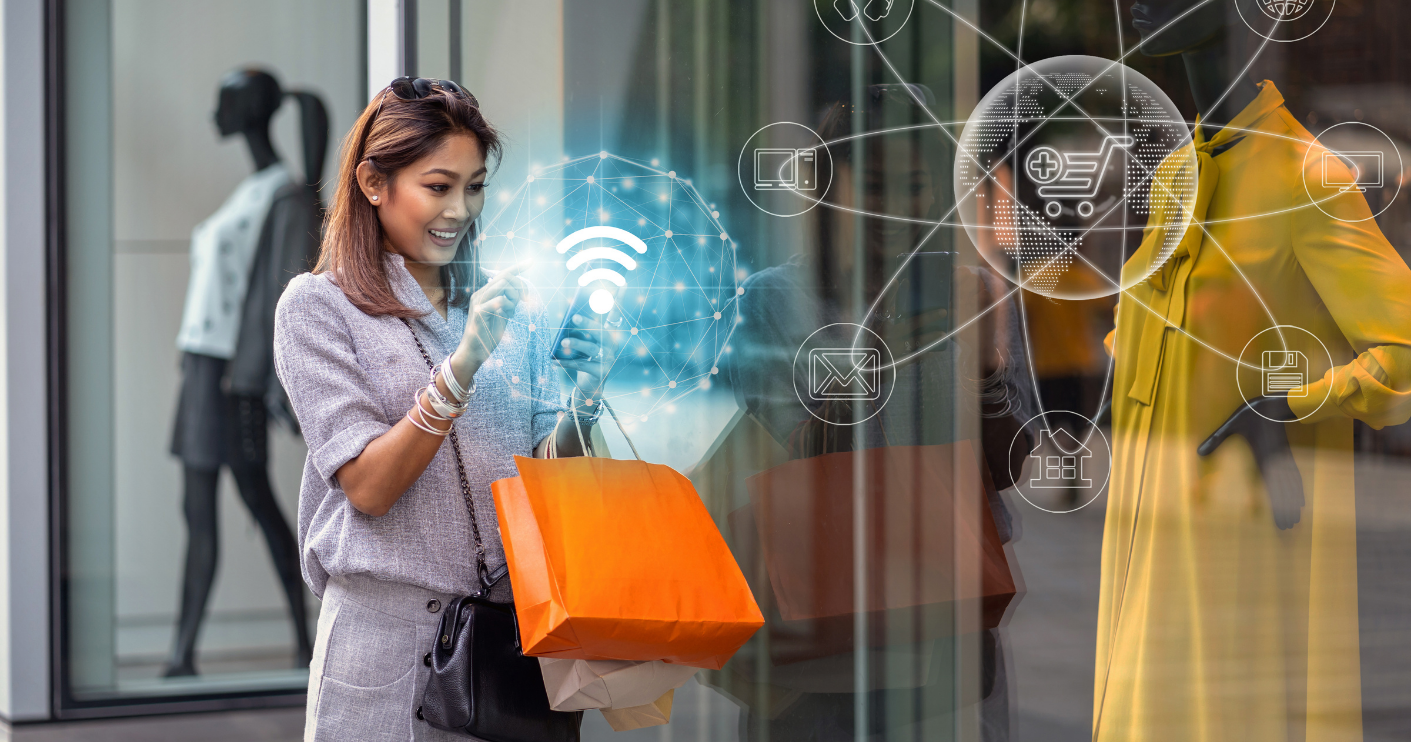
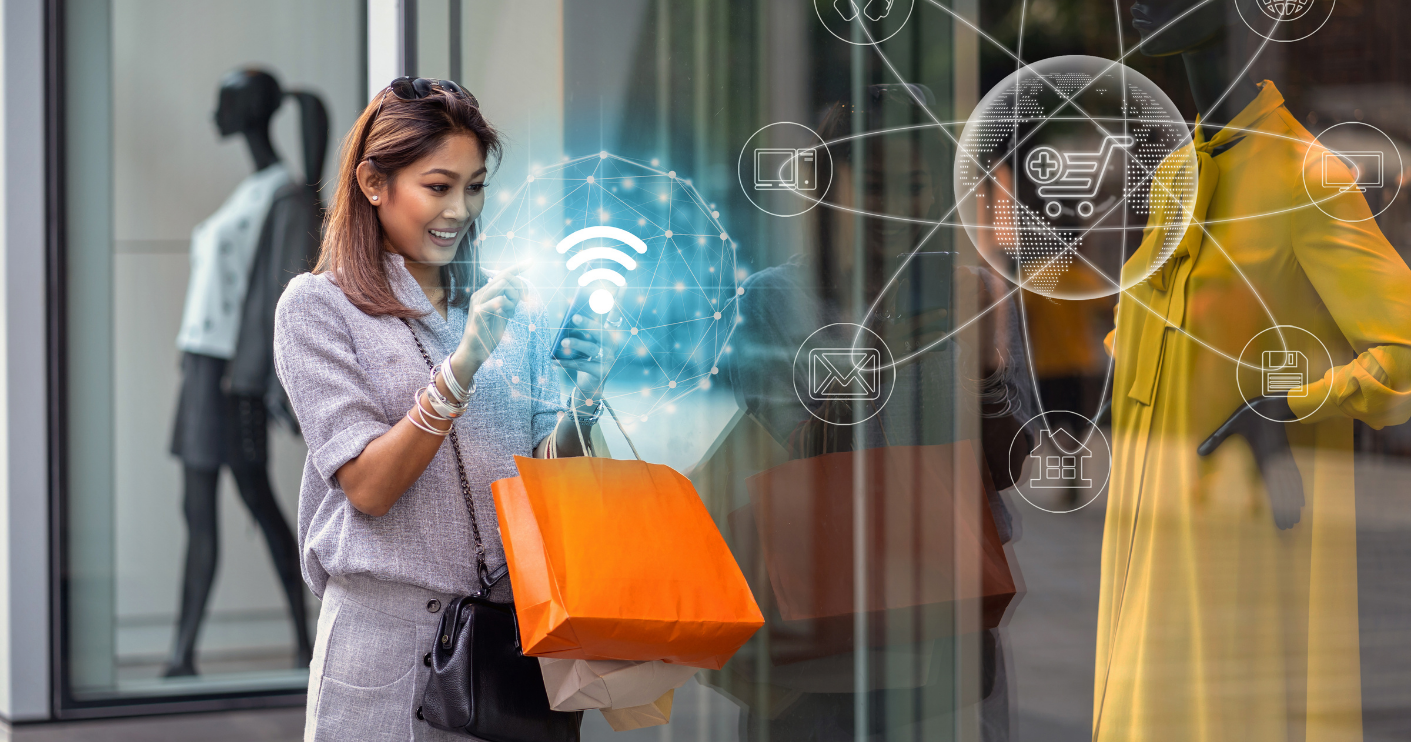
Today's shoppers expect a retailer to actually know them their habits, their preferences, what they're likely to want next before they've said it out loud. That's the whole reason ecommerce personalization services exist: to tailor recommendations, promotions, and content to how each customer actually shops. And When done well, personalization enhances engagement, and even helps reduce the number of "What if's?" to make shoppers feel like the retailer really understands what they need. Choosing the best ecommerce personalization tool is certainly not something you can do at lightning speed; it is beneficial to research if a system can scale, seamlessly integrate with current technology, report in an meaningful way, and reflect a businesses existing practices in real life. Ultimately, the hope is a more personalized, rather than an intrusive experience for customers while maintaining clean data and operating effectively on the back-end.
Plenty of businesses test a handful of personalization tools before committing to one. That trial period tells you a lot how customers actually respond, which features are worth keeping, which ones were never going to earn their keep. It's one of the simplest ways to compare personalization solutions without any real risk.
Some retailers start smaller testing the waters with a Free Ecommerce personalization Trial before committing to anything bigger. They get a real, raw, untainted perspective on performance, experience, and reporting without being locked into long contracts initially.
Learning Doesn't Stop When the Event Ends
Trade shows are part of a whole, but they are not all of it. The retailers who consistently stay ahead keep learning all year through a solid retail resource center pulling from guides, industry reports, and implementation playbooks whenever they need them. That ongoing education is what actually helps businesses adapt when expectations or market conditions shift again, which they always do.
A Retail Glossary is another tool worth keeping close it gets everyone on the same page around the terminology used across technology, operations, digital commerce, and supply chain management. Clear communication between retailers, consultants, and tech providers starts with everyone speaking the same language, plain and simple.
The retailers getting the most out of all this don't treat trade shows as one-off events they attend and forget. This knowledge gets incorporated back into strategy; helps inform their technology investments in the future, and also into continuous refinement of business operations-year over year.
Key Takeaways for Retailers
Attend industry events with clear business objectives rather than simply exploring new products.
Evaluate technology based on long-term business value instead of short-term trends.
Continue learning through webinars, educational resources, and industry research.
Prioritize customer experience alongside technology investments.
Test new solutions before large-scale implementation whenever possible.
Conclusion
Retail is always in motion and the ones who adapt to that are able to do that and shrug it off as a new way of business rather than a thing to lose sleep over. Showing up at retail trade shows USA gives retailers a real shot at catching new tech early, sharpening their strategy, and learning from people who've already lived through the mistakes. But showing up isn't the whole job. The real value shows up after in the planning, the follow-through, the willingness to actually test something before betting big on it. The retailers who pair smart decision-making with a genuine focus on the customer are the ones still standing when the market shifts again. And it always does.
FAQs
Why should retailers attend retail trade shows?
They provide opportunities to learn about new technologies, industry trends, and business strategies at retail trade shows.
What is digital retail consulting?
It helps retailers improve operations and implement technology that supports long-term business goals this is the core of digital retail consulting.
Why is ecommerce personalization important?
It creates more relevant shopping experiences that improve customer engagement and satisfaction through smart personalization solutions.
What can businesses gain from retail webinars?
They can stay updated on industry developments and best practices without attending in-person events, all through Retail webinars.
How does a retail resource center benefit retailers?
It offers ongoing access to educational resources, industry insights, and practical guidance for continuous improvement via a retail resource center.






Write a comment ...